

An outdated phone number or the wrong opening hours can waste a good local enquiry. Before pursuing more visibility in search, check that a customer can find the correct location, understand the service and reach someone who can help.
Local search work combines accurate business information, relevant website pages and ongoing attention to the customer experience. Use this checklist to assign the work, starting with the details that could send a customer to the wrong place.
Define the services and areas you actually serve
List the services customers can buy and the locations your team can reliably cover. Use the language people use in enquiries, quotations and phone calls. Internal department names may not match the terms a buyer uses when looking for help.
Be precise about physical branches and service areas. Do not invent offices to appear local. If you travel to a customer's premises, explain the coverage and any practical limitations. A page that promises nationwide delivery while your team serves one town creates poor enquiries and disappointed customers.
Give important services a useful page
A single page containing a long list of unrelated services leaves little room to explain any of them. Create a dedicated page where a service has a distinct audience, buying decision and enough useful information to justify it.
Explain the problem, what the service includes, how delivery works, what affects the scope and what the customer should do next. Add relevant evidence with permission. Avoid creating dozens of near-identical town pages that simply swap a place name; each page should offer a meaningful reason to exist.
Make contact and location information consistent
Check the business name, public phone number, address, opening hours and website across your own pages and the directories you control. Correct old details after a move or rebrand. Confirm that the phone is answered during the stated hours and that map directions lead to the right entrance.
Where eligible, keep your Google Business Profile accurate and follow its representation guidelines. Choose categories that describe the business rather than adding unrelated keywords to the name. Your profile and website should tell the same practical story.
Answer the questions that delay an enquiry
Review recent conversations with prospects. People may ask whether you serve their area, work with their type of organisation, visit their premises or provide support after delivery. Answer the recurring questions on the relevant service page.
For example, a hypothetical equipment maintenance company could explain service coverage, supported equipment categories, booking requirements and the distinction between inspection and repair. That is more useful than repeating “best maintenance services” throughout the page.
Earn evidence and handle reviews responsibly
Use genuine project examples, approved testimonials and current business details. Ask customers for honest feedback through an appropriate process. Do not write reviews on their behalf or promise a reward in exchange for a positive rating.
Respond professionally without disclosing private customer information. In regulated sectors, check the rules governing testimonials and advertising before using them. A review that is publicly visible is not automatic permission to republish sensitive details in a campaign.
Check the mobile enquiry path
Open the page on a phone and attempt the main action. Can someone read the service explanation, tap the phone number, send the form and find the location? Are essential details hidden behind large banners or slow images? Does the confirmation explain what happens next?
Test with the team member who receives enquiries. A technically working form can still fail commercially if submissions go to an unattended inbox. Agree a response owner and a fallback for absences before increasing traffic.
Measure useful visibility and qualified enquiries
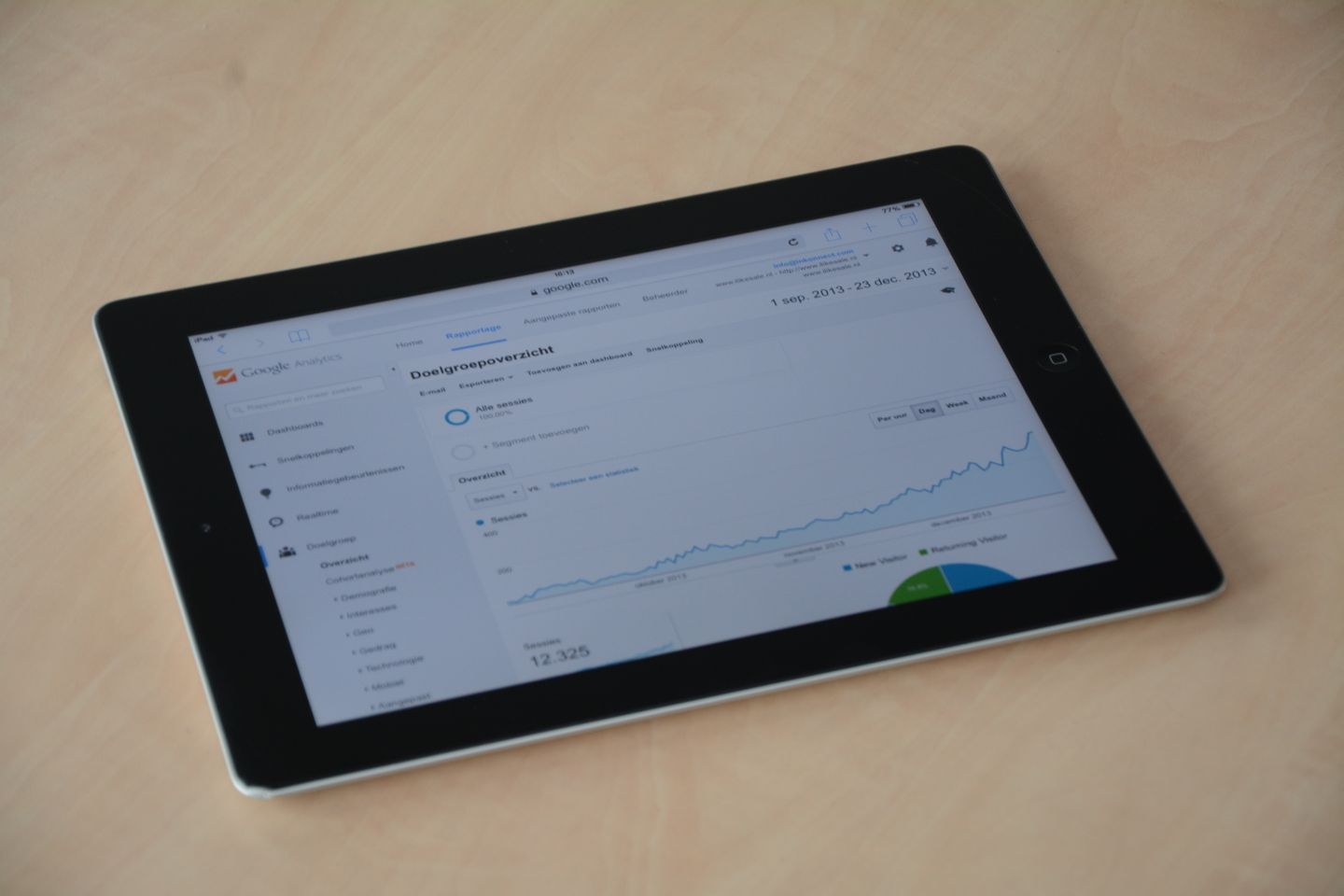
Use Search Console to understand the queries and pages bringing search visitors. Compare that with enquiries recorded by your team. Track the requested service, location and whether the enquiry fitted the business. Rankings alone do not tell you whether the website is attracting suitable customers.
Keep the measurement proportionate and respect privacy requirements. If call or form tracking is unavailable, a simple consistent enquiry log is better than an elaborate dashboard with unreliable data. Review patterns monthly and improve the pages with the clearest commercial gaps.
Work through the checklist in order
Fix inaccurate business details first, then strengthen the main service pages, repair the enquiry path and review results. Local SEO is an ongoing maintenance task as the business changes, not a one-time insertion of place names.
Ask Zero Impulse to review your local search presence. We can assess your website, service content and enquiry journey, then prioritise improvements around the customers you want to reach.